1. Identify the boat and the location
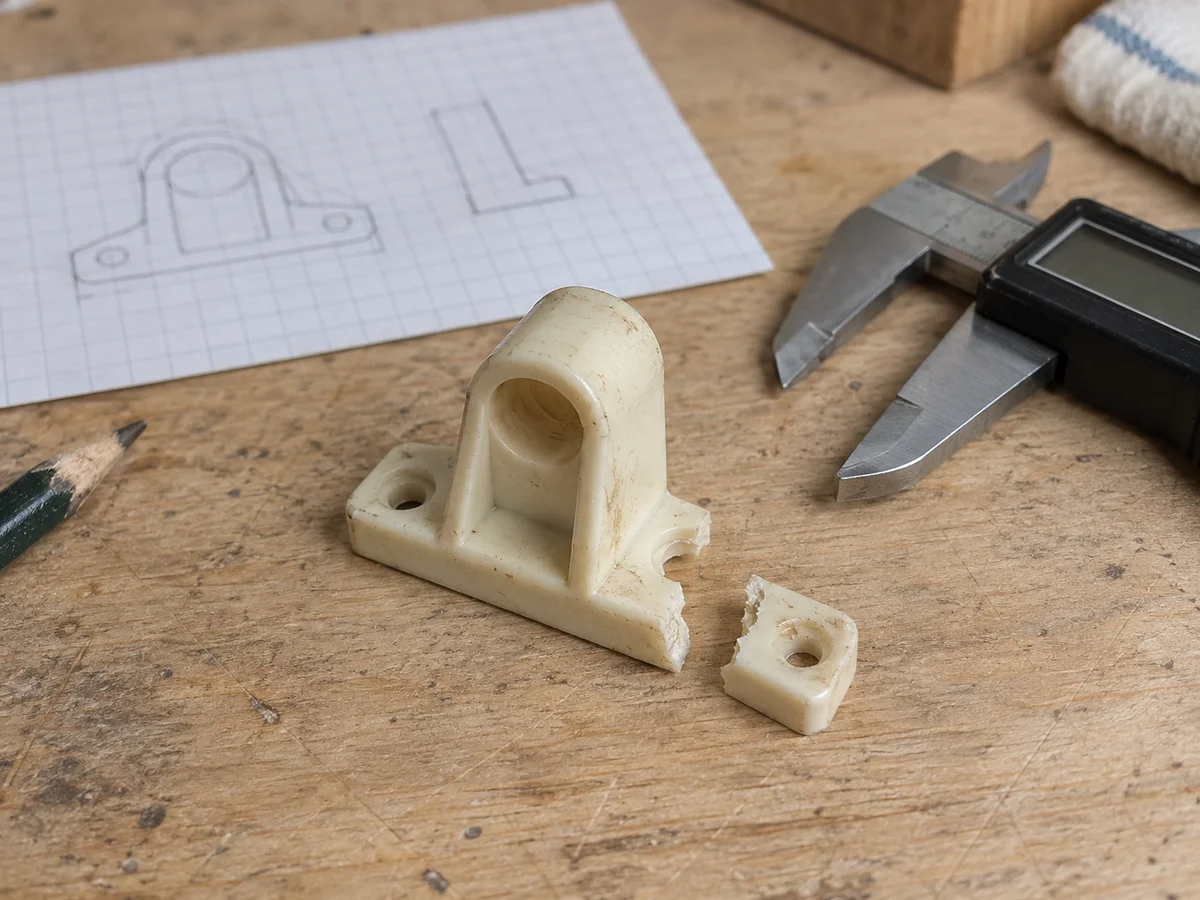
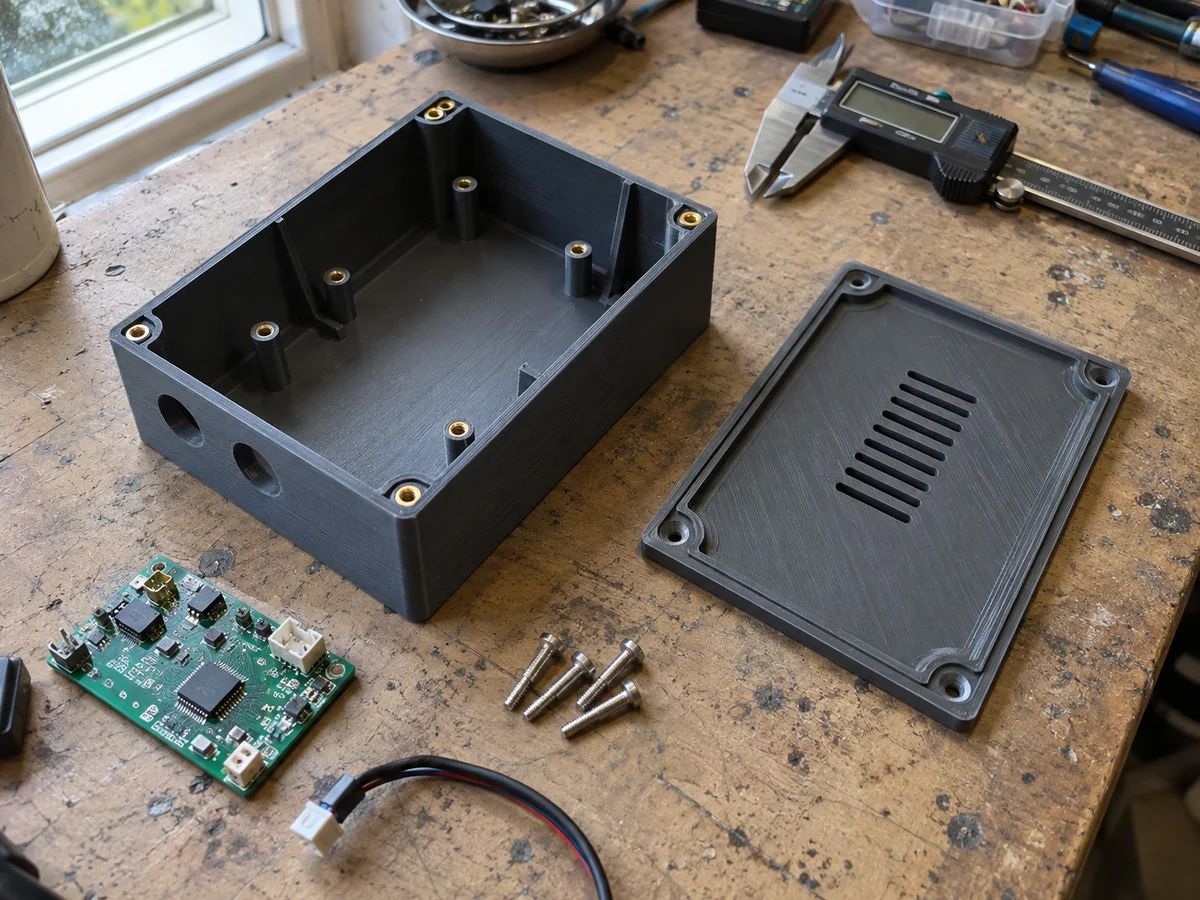
Write down the boat make, model, and year, plus the exact compartment or mounting location. Note previous modifications. Take an overall photo that identifies the location and close-ups of the inside, opening, and underside where accessible. Use the same labels on photographs and your sketch.
2. Measure the opening and interior separately
Record the opening width and length, usable depth, and dimensions at the bottom. Measure again at the intended seating height if the walls taper. Mark curved corners and obstructions. A tray that fits inside the cavity still needs to pass through the opening and clear the lid.
3. Show what goes inside
For a bottle insert, measure the holder at the seating depth and the widest part of the bottle that must pass through the insert. For tools or tackle, supply the item dimensions and explain how you want to retrieve them. Label actual measurements separately from the clearance you would like the designer to allow.
4. Mark drainage, mounting, and movement
Show existing drain openings, fasteners, hinges, wires, and lid movement. State whether the organizer should lift out, rest on an existing ledge, or attach to an approved surface. Explain whether its contents need to stay retained while underway. Do not assume a photograph reveals hidden clearance.
5. Describe exposure and test the first version
Record direct sun, spray, standing water, heat, and cleaning products. Keep uncertain details marked as unknown. Check one physical prototype for insertion, removal, drainage, and interference before ordering copies. A fitted prototype does not by itself establish long-term suitability for the environment.